
How to Build Your Aid Station Strategy?
By Mélanie Olivier, RD, M.Sc., Sports Nutritionist
Strategy #1: Don’t Take Whatever Is Available
GI distress during exercise affects a large number of endurance athletes. Race day is not the time to try something new.
Stick to exactly what you’ve tested in training. Same product, same amount, same timing, regardless of what’s available at the aid station.
Strategy #2: Don’t Drink “Just in Case”
At every aid station, you don’t need to drink as much as possible.
Drinking beyond your thirst can dilute your blood sodium levels and lead to exercise-associated hyponatremia.
Drink according to your thirst and add a source of sodium if the event is long or taking place in hot conditions.
Strategy #3: Let the Aid Stations Do Some of the Work
Over several hours, carrying all your fluids, carbs, and sodium adds weight and takes up space.
Aid stations allow you to travel lighter while keeping your specific, tested, and well-tolerated products with you.
Plan what the aid stations will cover and what you need to carry yourself.

Strategy #4: Use Aid Stations as a Safety Net
A dropped bottle, a sticky gel, or a greater than-expected need due to the heat: aid stations can help fill the gap before it becomes a performance or safety issue.
A 100% self-sufficient plan is rigid. If conditions change along the way, you have no room to adjust. Aid stations give you that flexibility.
Strategy #5: Take Advantage of Aid Stations for What You Can’t Carry in Large Quantities
In hot conditions, the water and ice you need to stay hydrated and cool are too heavy to carry in large quantities.At the aid station, use them to cool yourself down: cold water or ice on your neck and wrists can help you manage the heat and maintain your pace.

The Key:Integrating Aid Stations Into Your Strategy
A good fueling strategy is planned before race day, so you know what to take, when to take it, and how much.
Have a question about your fueling strategy? Drop it in the comments.

Latest Stories

How to Build Your Aid Station Strategy?
Use aid stations as part of a flexible, tested plan that supports performance, safety, and heat management.
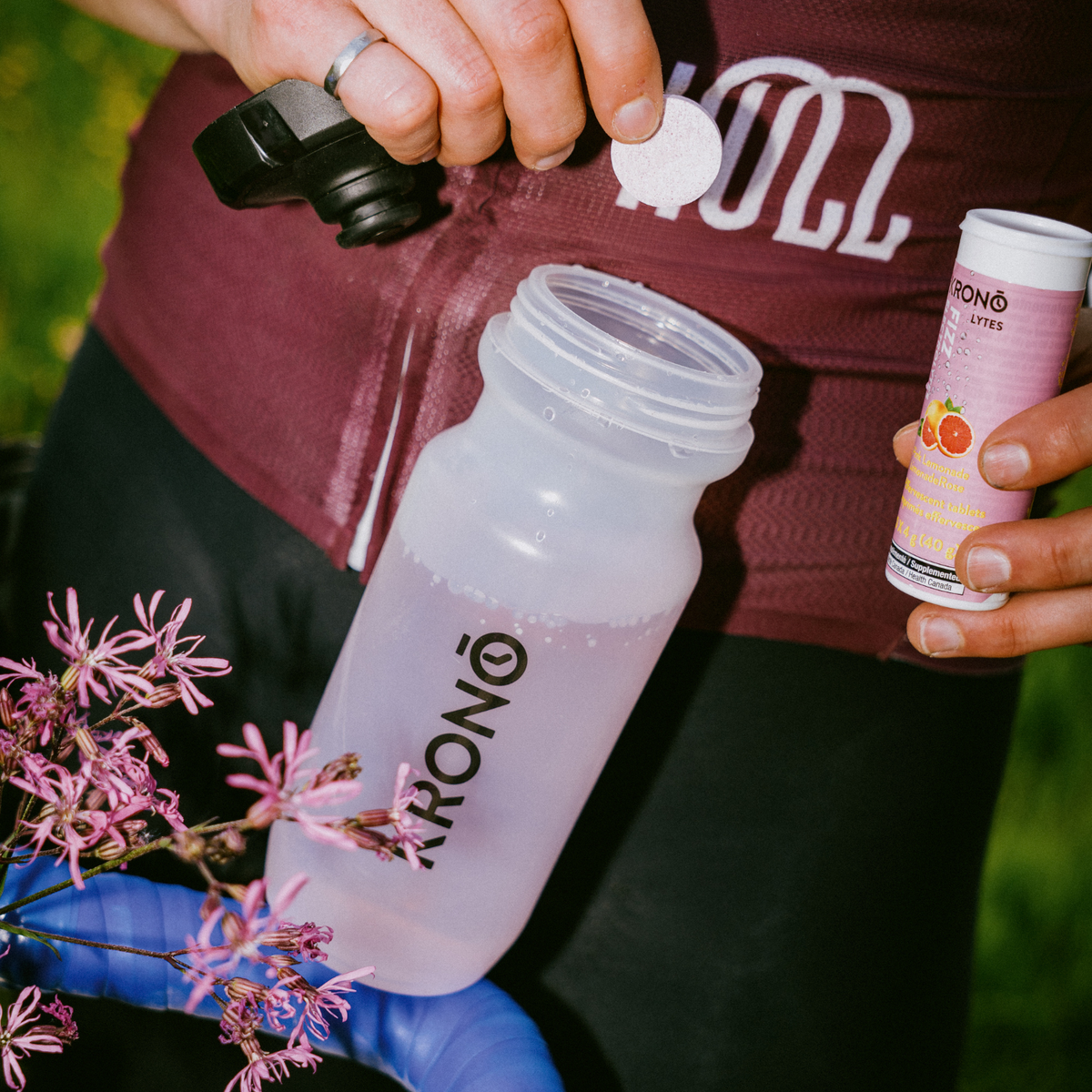
5 mistakes to avoid before race day
Learn the 5 common mistakes to avoid the day before a race, including last-minute carb-loading, excessive fiber or fat, alcohol, overhydration, and trying new foods or products. Discover practical sports nutrition tips to support digestion, hydration, glycogen stores, and race day performance.
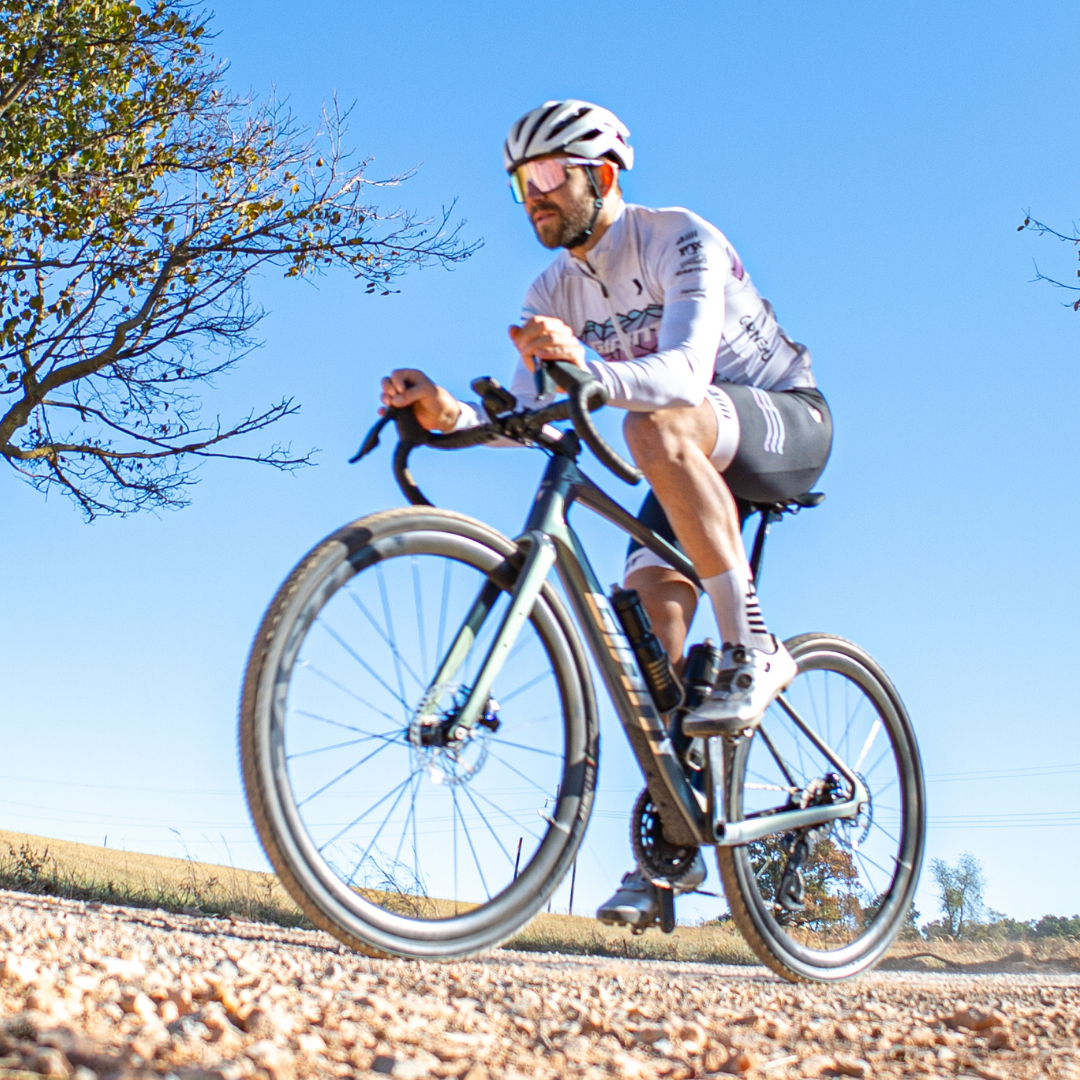
Training in Extreme Heat: How to Adapt Your Nutrition and Hydration
Training in extreme heat changes how your body hydrates, fuels, and digests. Learn how to adjust fluid, sodium, and carbohydrate intake, estimate your sweat rate, and build a nutrition strategy that helps you stay comfortable and perform in hot conditions.
Read moreabout Training in Extreme Heat: How to Adapt Your Nutrition and Hydration
Share:
5 mistakes to avoid before race day