
Training in Extreme Heat: How to Adapt Your Nutrition and Hydration
By Mélanie Olivier, RD, M.Sc., Sports Nutritionist
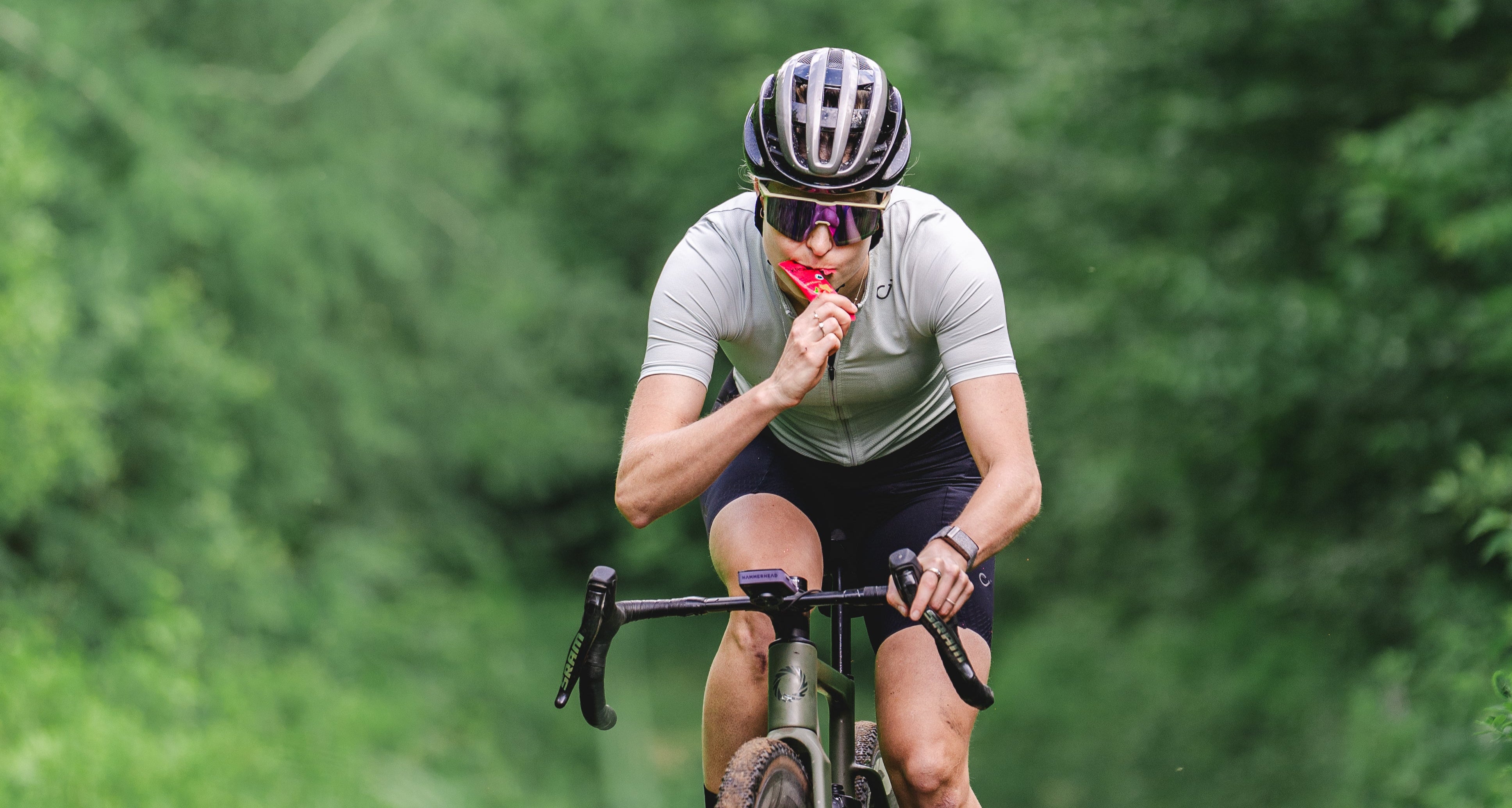
Running, cycling, triathlon, hiking, or any other outdoor endurance activity: when temperatures rise, your body doesn’t function quite the same way.
Heat increases sweat loss, changes your hydration needs, can slow digestion, and may even affect how you perceive the taste of your sports drinks and nutrition products during exercise.
So adapting to the heat isn’t only about slowing down. Your nutrition and hydration strategy needs to adapt too.
Here’s what changes when you train in hot conditions, And what you can do about it.
Hydration: The Biggest Challenge in the Heat
During exercise in hot conditions, sweat losses can become significant. Some athletes may lose up to 2 litres of sweat per hour.
Sweat rate varies considerably from one person to another and depends on several factors, including:
- Temperature
- Humidity
- Wind
- Heat acclimatization
- Exercise intensity
- Clothing
- Individual characteristics such as the number and activity of your sweat glands
Losing too much fluid can quickly affect both how you feel and how you perform.
Dehydration can contribute to earlier fatigue, reduced performance, headaches and, in more severe situations, confusion.
But there is another important factor to consider:
Sweat isn’t just water. It also contains sodium.
Drinking large amounts of plain water without adequately replacing sodium losses can dilute the sodium concentration in your blood, particularly during prolonged exercise. This is known as hyponatremia.
How Much Should You Drink?
A general recommendation during exercise is approximately 400 to 800 mL of fluid per hour, but this should be adjusted according to your individual sweat rate and environmental conditions.
Athletes with particularly high sweat rates, especially during hot and humid conditions, may require 1 litre per hour or more.
It is also important to begin your workout already well hydrated.
A simple strategy is to consume approximately 500 mL of fluid during the two hours before exercise.
During periods of extreme heat, adding electrolytes can also help support an appropriate hydration strategy.
Key Takeaway
Water alone may not be enough when sweat losses are high.
Depending on the heat, duration of exercise and your individual sweat rate, approximately 400 to 1,000 mg of sodium per hour may be appropriate.
Sodium can come from several sources, including:
- Sports drinks
- Electrolyte tablets or capsules
- Salty foods
- Energy gels and other sports nutrition products containing sodium
Do You Know Your Sweat Rate?
Two athletes completing exactly the same workout can lose very different amounts of fluid.
Knowing your individual sweat rate can therefore help you develop a much more personalized hydration strategy.
How to Estimate Your Sweat Rate?
One simple method is:
- Weigh yourself without clothing before exercise.
- Exercise for approximately one hour.
- Weigh yourself again immediately afterward.
- Keep track of any fluid you consume during the session.
As a general approximation, every kilogram of body weight lost represents about 1 litre of fluid loss.

WEIGH BEFORE
Weigh yourself without clothing before your workout.

TRAIN FOR 1 HOUR
Exercise for about one hour and track your fluid intake.

WEIGH AFTER
Weigh yourself again immediately after your workout.
For example, if you lose 0.8 kg during a one-hour workout without drinking anything, your estimated sweat rate is approximately 800 mL per hour.
If you drink during the test, simply account for the amount of fluid consumed when calculating your total sweat loss.
Knowing your sweat rate can help you adjust your hydration strategy based on:
- Outdoor temperature
- Fitness level
- Heat acclimatization
- Training intensity
- Type and duration of exercise
Key Takeaway
Your hydration plan does not necessarily need to look like your training partner’s.
The better you understand your individual sweat rate, the more precisely you can adapt your hydration strategy.
For Efforts Under Four Hours, Focus Primarily on Sodium
Electrolyte drinks and supplements often contain sodium, potassium, magnesium and calcium.
But during exercise lasting a few hours, these electrolytes do not necessarily need to receive equal attention.
Sodium is the primary electrolyte lost through sweat, although the exact concentration can vary significantly between athletes.
For most endurance sessions lasting less than four hours, sodium is therefore generally the electrolyte you should focus on replacing.
An intake of approximately 400 to 800 mg of sodium per hour can serve as a starting point, with some athletes requiring more depending on their sweat losses and environmental conditions.
Losses of potassium, magnesium and calcium through sweat are comparatively smaller and can generally be replaced through a balanced everyday diet.
For ultra-endurance efforts lasting four to six hours or longer, electrolyte requirements can become more complex and may benefit from a more individualized nutrition strategy.
Key Takeaway
For exercise lasting less than four hours, sodium should generally be your main electrolyte priority.
Your regular diet will usually provide adequate amounts of the other electrolytes.
Sometimes more depending on heat and sweat rate.
For shorter endurance sessions, your regular diet generally covers the other electrolytes.
Does Your Sports Drink Taste Different in the Heat?That’s Normal.
A sports drink that tastes perfectly refreshing during a cool spring training session can suddenly feel overwhelmingly sweet after one or two hours of exercising in extreme heat.
That sensation isn’t necessarily in your head. During prolonged exercise in hot conditions, changes in saliva production and sensory perception can alter how you experience flavours.
Sweet flavours may become particularly intense.
This matters because sports drinks can provide both hydration and an important source of carbohydrates during endurance exercise.
If your drink suddenly becomes too sweet and you start avoiding it, you may unintentionally reduce both your fluid and carbohydrate intake.
Strategies to Try
You can experiment with:
- Preparing a slightly more diluted drink
- Alternating sports drink with plain water
- Alternating sweeter products with saltier options
- Changing flavours during longer sessions
- Starting with a partially frozen bottle so your drink stays colder for longer
- Keeping your drink cold can also make it easier and more enjoyable to consume during hot-weather training.
Key Takeaway
If your taste preferences change during exercise, adjust your nutrition strategy rather than simply stopping your intake.
The goal is to find a combination you can continue consuming comfortably throughout your workout.
Less Appetite, Slower Digestion, and Training Your Gut
When your body needs to cool itself, more blood is directed toward the skin to help release heat.
Your digestive system becomes less of a priority.
Combine this with exercise intensity, dehydration and high temperatures, and digestion can become more challenging.
During hot-weather exercise, you may experience:
- Reduced appetite
- Feeling full sooner
- Slower digestion and nausea
- Greater discomfort with solid foods
This is where easier-to-consume sports nutrition products can become particularly useful.
Train Your Gut for the Heat
Your digestive system can be trained just like your muscles. To help your stomach continue doing its job in high temperatures:
- Practice your fueling strategy in varying heat conditions during training, not on race day.
- Take smaller sips and bites more frequently to prevent energy deficits without overloading your stomach.
- Experiment with different drink concentrations, gels, and fueling intervals to find what your stomach tolerates best.
Key Takeaway
Reduced appetite in the heat isn't in your head, it's physiological. Train your digestive system under different weather conditions, and take smaller, more frequent sips and bites so you don't fall into an energy deficit.
Share:
How to Fuel Your Effort: Before, During and After
5 mistakes to avoid before race day